
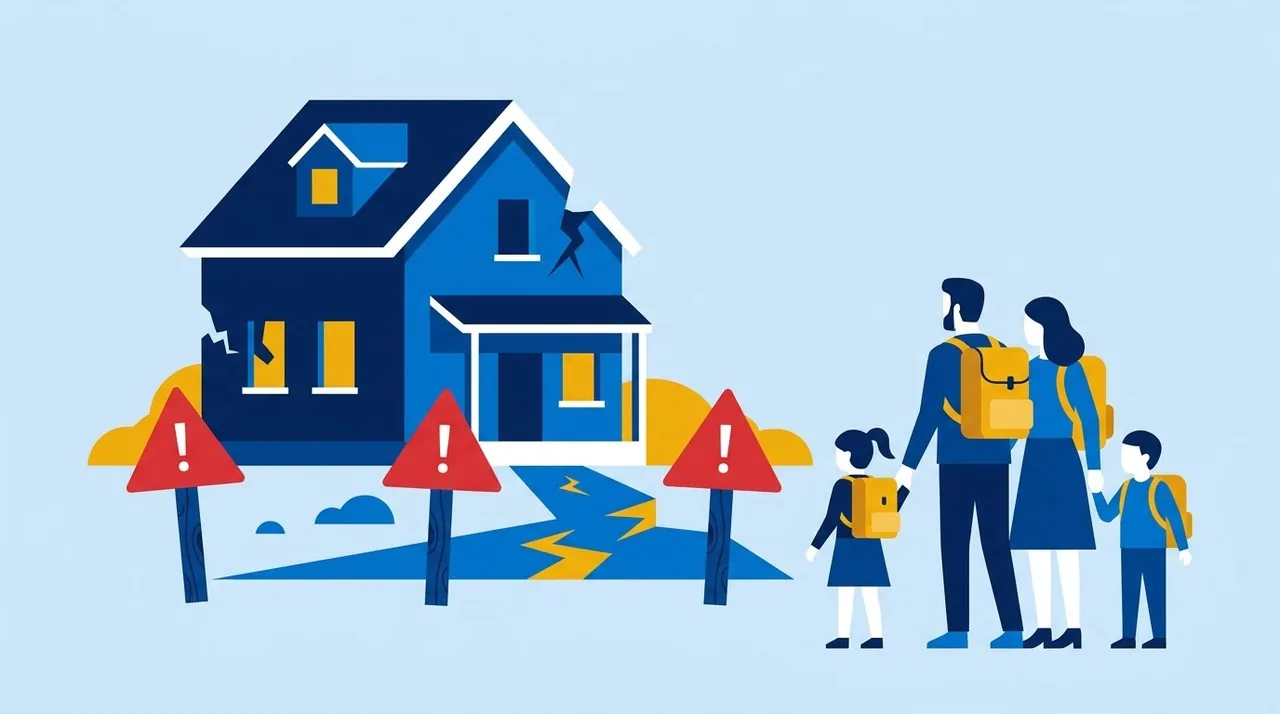
Returning to the Ruins: Where Life Begins After De-occupation
People are returning to liberated communities, finding ruins and booby traps instead of homes. The main priority becomes territorial safety and hazard marking.
People are returning to liberated communities, finding ruins and booby traps instead of homes. The main priority becomes territorial safety and hazard marking.
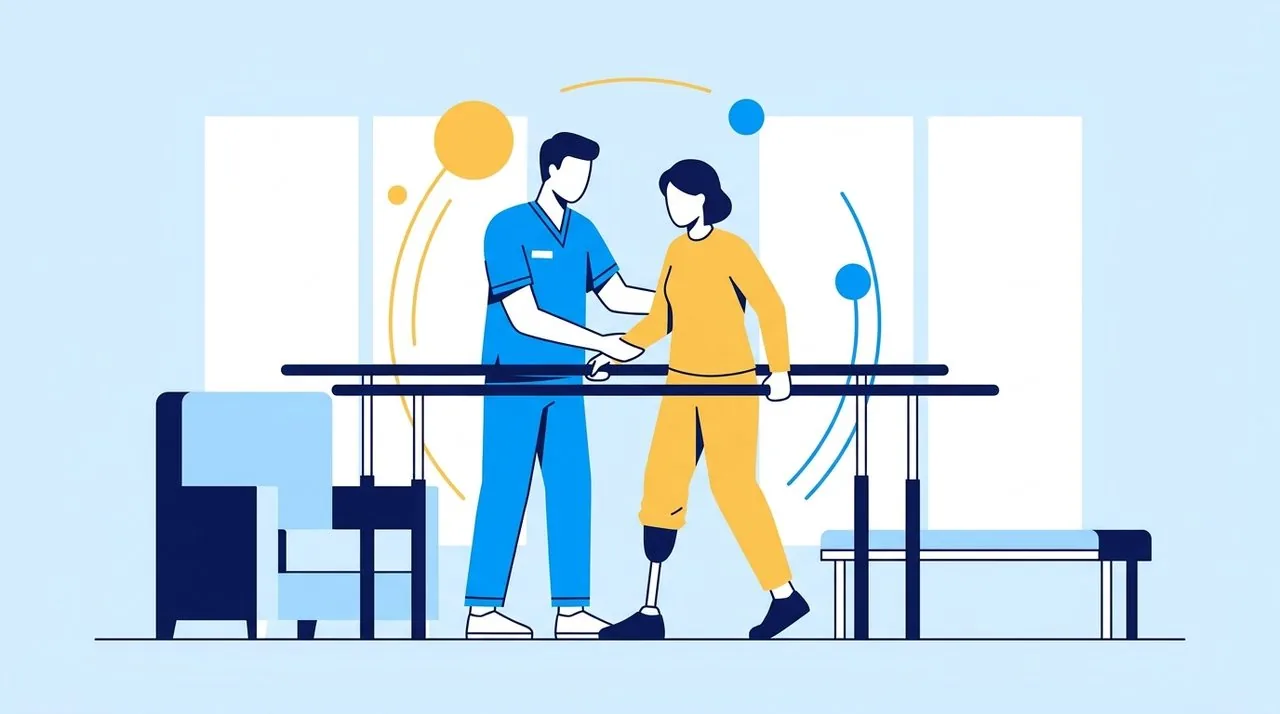
Physical rehabilitation and prosthetics after severe injuries is a lengthy process requiring comprehensive medical and social support.
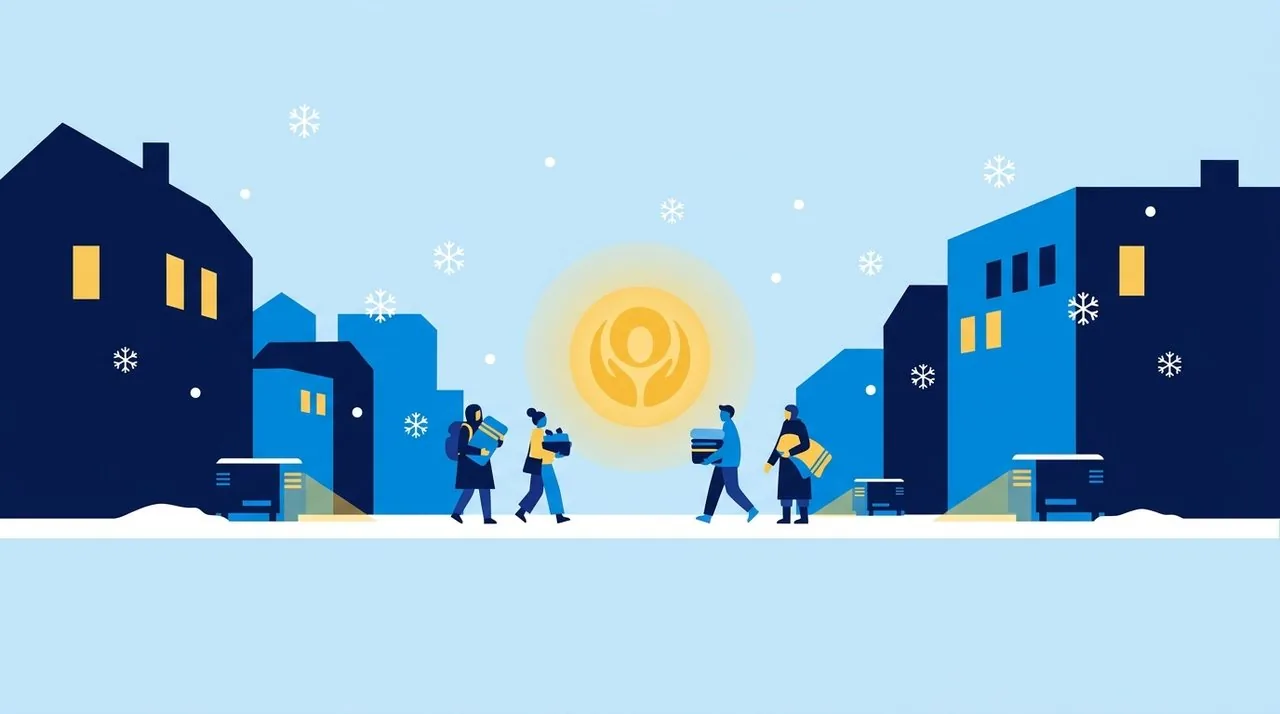
The lack of electricity paralyzes basic infrastructure. We explain how Ukrainian cities are creating autonomous life-support islands during the harshest winter months.
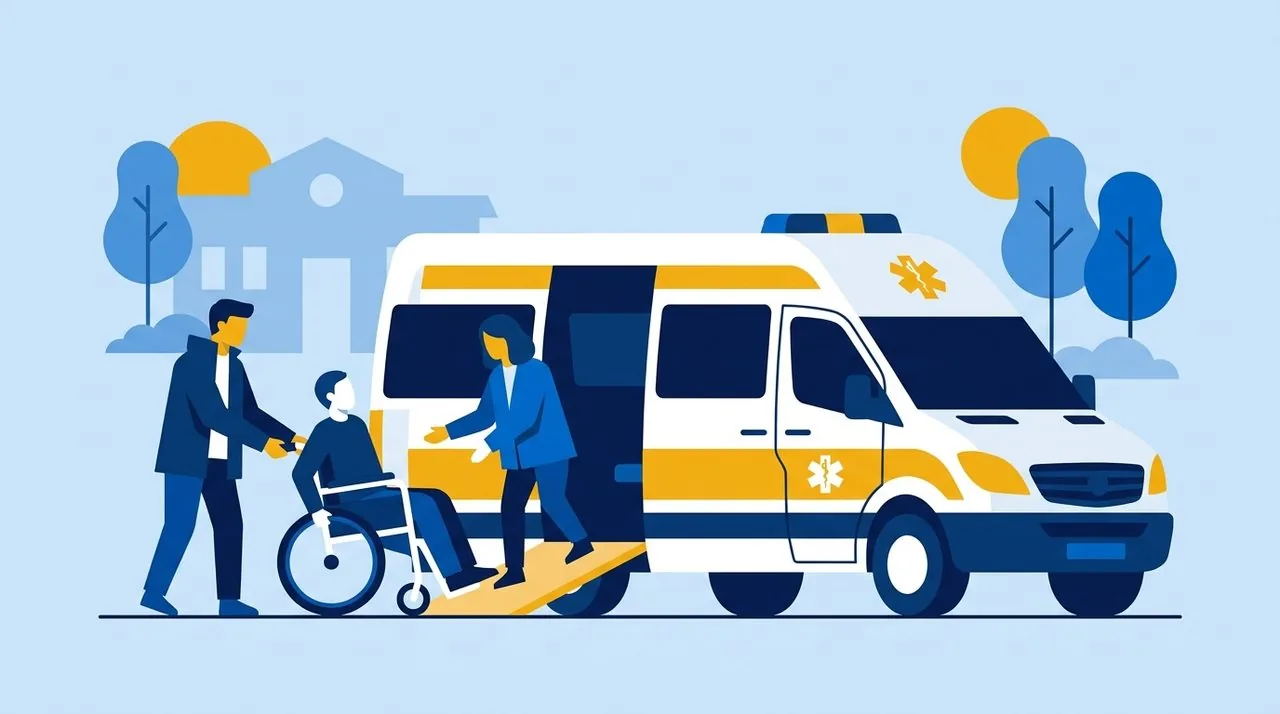
Evacuating people with limited mobility from under shelling requires specialized transport and medical escorts. How humanitarian logistics work to rescue the most vulnerable populations.

Due to destroyed clinics and a lack of specialists, residents of remote communities are left without help. Video calls with a doctor are becoming the only solution.
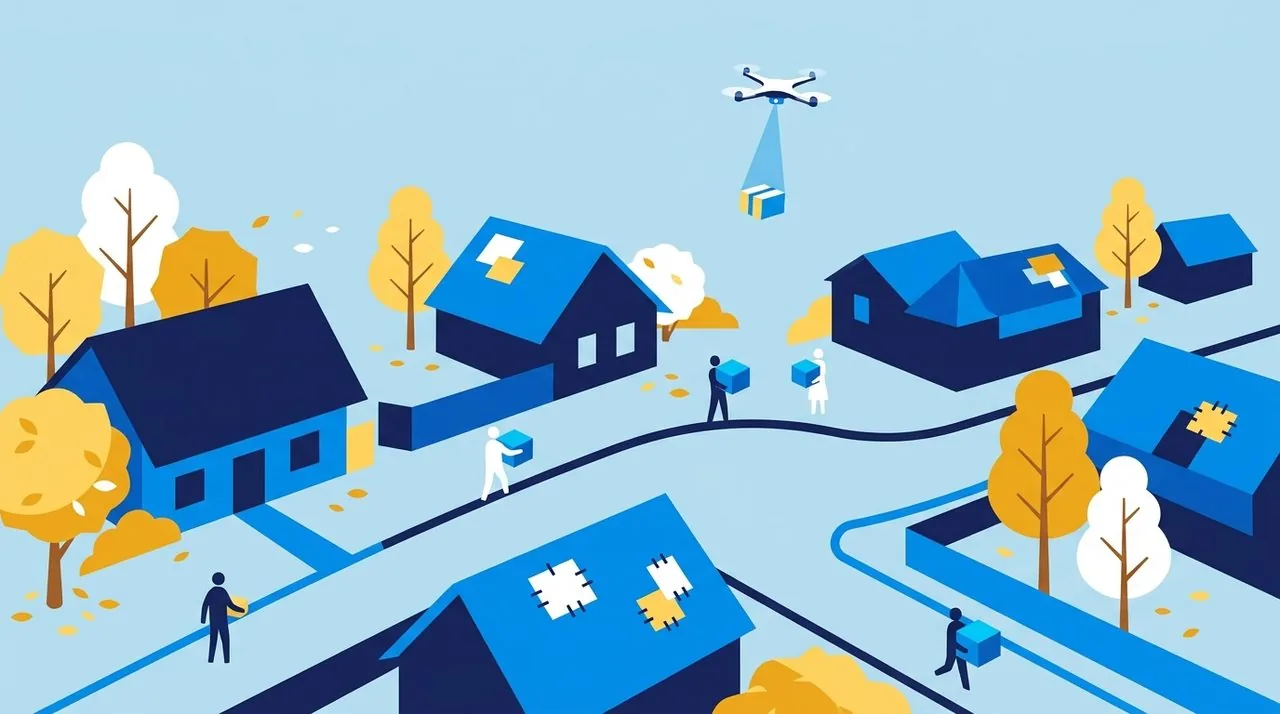
As the cold weather approaches, sealing the thermal envelope of damaged houses becomes a priority. We explain why the rapid documentation of destruction is critical for the survival of frontline communities.
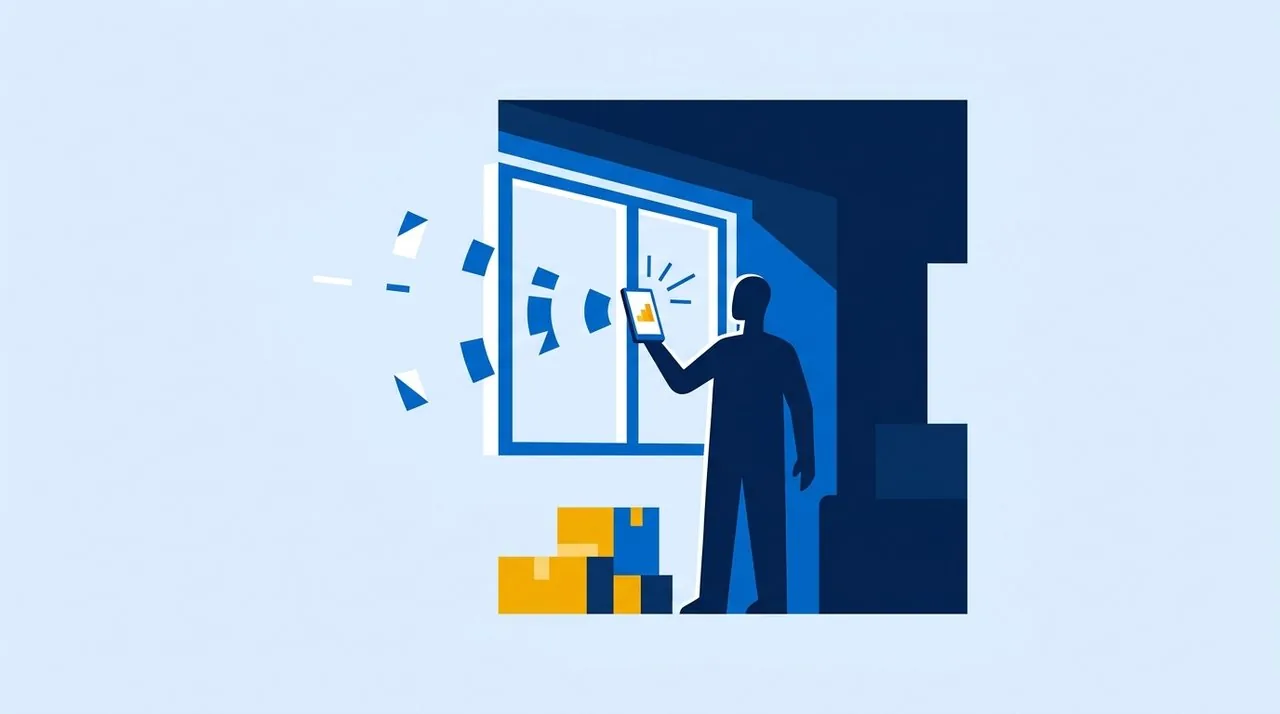
The lack of free communication and propaganda create an illusion of abandonment. We explore how isolated communities seek the truth and why information resilience is critical.
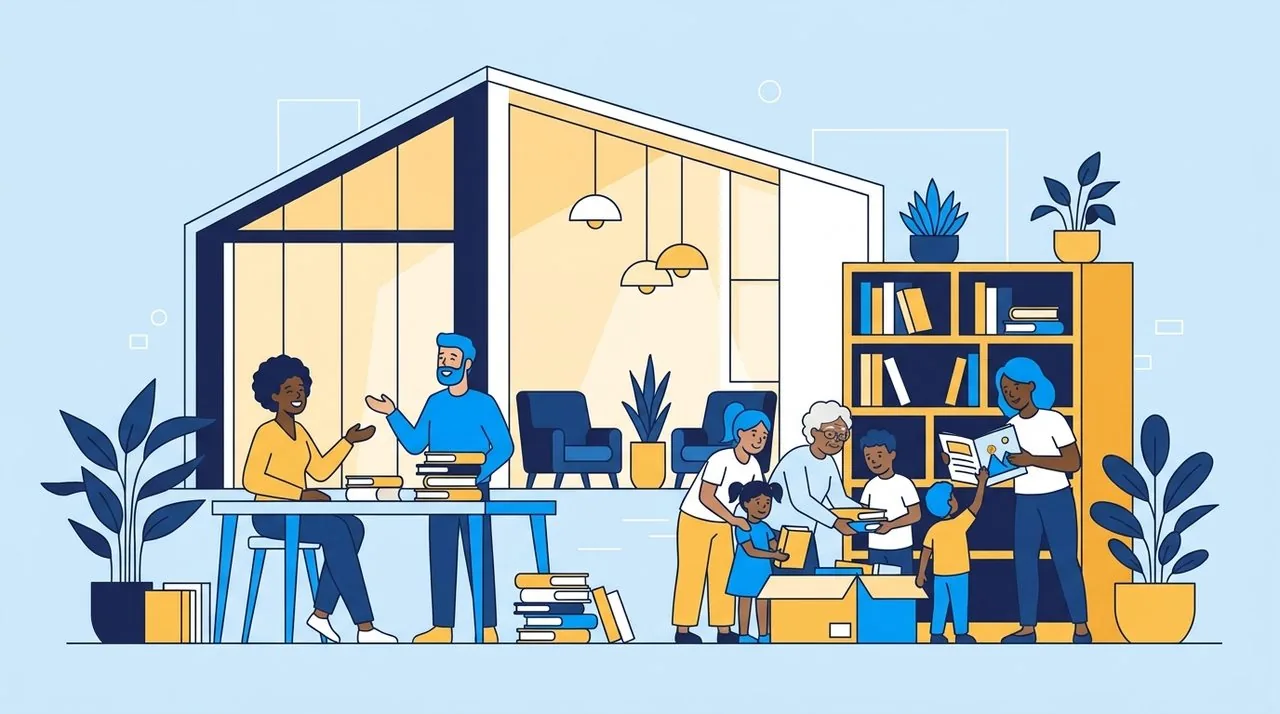
Internally displaced persons face prejudices and everyday difficulties. Creating shared spaces for communication helps reduce tension and unite communities.
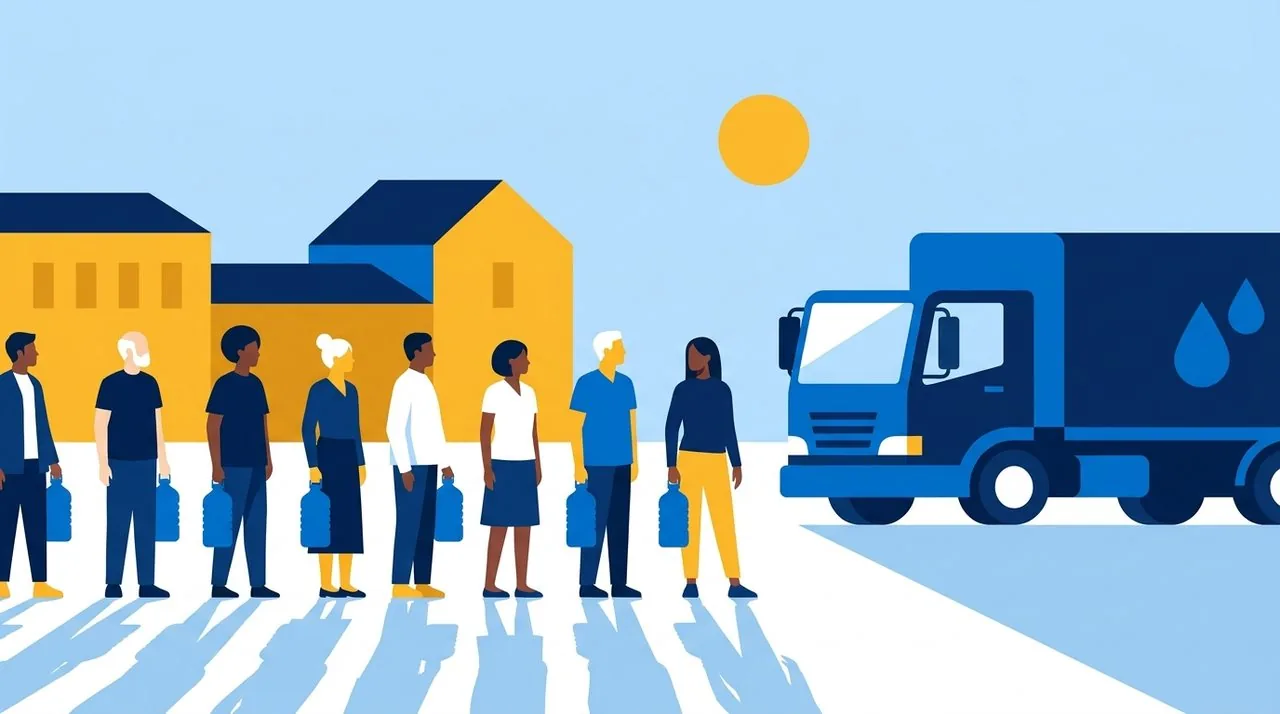
Destroyed water pipelines and summer heat are creating a critical water shortage in frontline cities. How logistics optimization helps prevent a humanitarian crisis.