
The physical occupation of Ukrainian cities and villages is always accompanied by total information isolation and the imposition of an artificial, hostile reality.
The Technology of Creating an Information Bubble
When a certain territory falls under the control of hostile forces, the first targets seized are not administrative buildings, but TV towers, communication hubs, and servers of local internet providers. The disconnection of Ukrainian mobile operators and the rerouting of all internet traffic through foreign servers happen almost instantly. This creates a rigid technical barrier that cuts people off from the rest of the country. According to cybersecurity experts, the architecture of such networks is built exclusively for total control. Traffic passes through deep packet inspection systems, allowing the blocking of not just specific news sites, but entire data transmission protocols. The digital blockade creates a foundation for unhindered psychological pressure on civilians.
The physical absence of a Ukrainian signal is only the first stage. The artificially created vacuum is immediately filled with propaganda. From all available screens, radios, and newspaper columns, a single narrative is broadcast: the state has ceased to exist, resistance is pointless, and isolated communities are abandoned to their fate forever. This is not just a chaotic set of news, but a carefully planned disorientation campaign. People are told about fabricated economic collapses in free territories, convinced of the absence of any support, and presented with an illusion of the new regime's stability. This systematic pressure aims to break the psychological resilience of the population, forcing them to believe in their own abandonment.
Life in such conditions forces civilians to resort to extreme precautions. Simply reading a Ukrainian news site or sending a short message to relatives in government-controlled territory turns into a serious security risk. Occupation patrols can stop anyone on the street and demand they unlock their smartphone. Recovered deleted messages, installed apps for bypassing blocks, or even contacts saved in Ukrainian become grounds for detention or interrogation. The atmosphere of fear forces many to have two phones: a "clean" one exclusively for checkpoint inspections, and another, carefully hidden, for communicating with the real world.
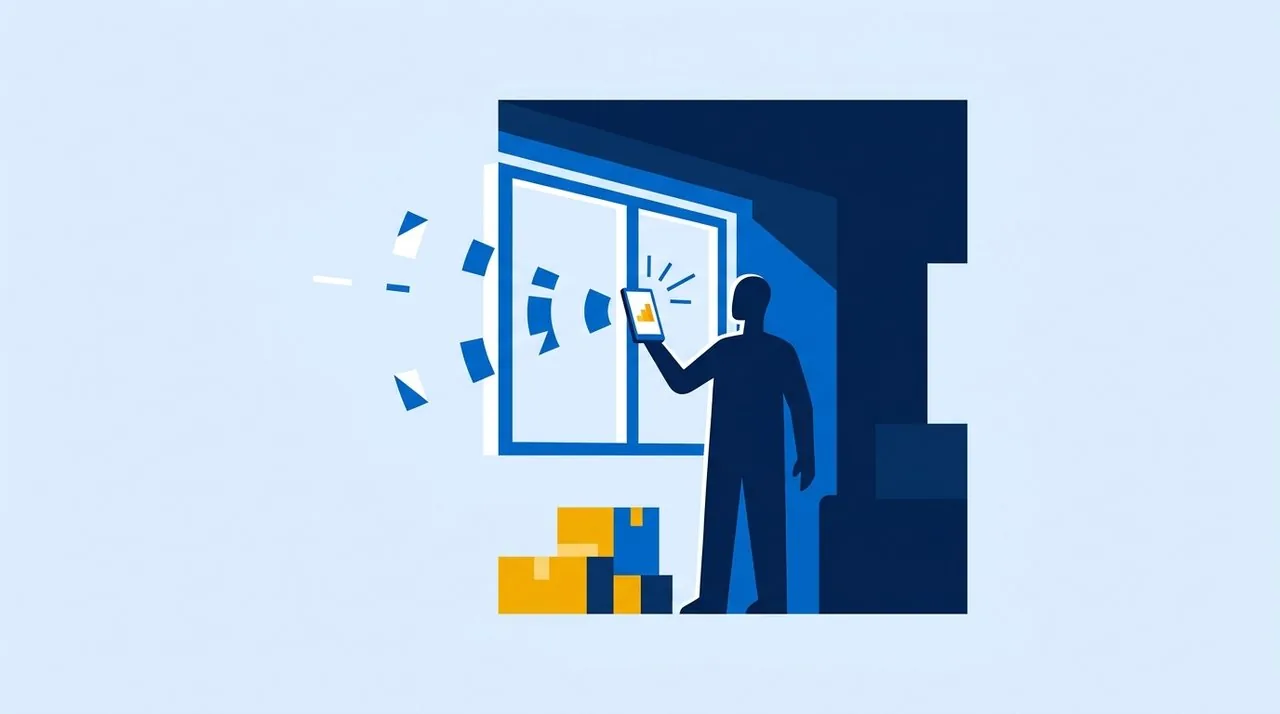
Despite these colossal risks, the need for truth remains critical. Residents of isolated cities and villages secretly use VPN services, even though their operation is constantly slowed down and blocked. People seek out high ground or specific locations in their settlements where a weak signal from base stations in free territory might still reach. They are willing to risk their own safety to download a short text news summary, as page caching allows them to read it later offline. Every such communication session is an act of civic courage and an unwillingness to accept the imposed reality.
As part of the information resilience program, the Yellow-Blue Foundation is actively working to maintain communication with isolated communities. We are developing safe methods to counter disinformation and seeking ways to disseminate truthful data among those trapped in conditions of total censorship. The main goal of this work is to provide the civilian population with vital information and preserve their trust in society, reminding them that they are remembered.
The Psychological Dimension and Humanitarian Security
Information in the occupied territories has turned into a basic humanitarian need, comparable to access to drinking water and medicine.Yellow-Blue Editorial Team
A prolonged state of cognitive dissonance causes irreparable harm to mental health. Civilians are forced to outwardly adapt to the imposed rules of the game while hiding their own beliefs. The daily consumption of fabricated news gradually blurs the sense of reality. The danger lies in the fact that propaganda works by creating an atmosphere of total distrust. Neighbors begin to avoid frank conversations for fear of informants. Even among old acquaintances, topics are limited to everyday matters. Social ties within the community are artificially fragmented, leaving a person face to face with the disinformation machine. Under such conditions, the transmission of news "by word of mouth" takes the form of a quiet but vital resistance.
Maintaining communication with isolated communities goes far beyond the technological realm—it is a deeply humanitarian issue. When a person is deprived of access to an objective picture of the world, their ability to make safe decisions critically decreases. They have no access to information about outbreaks of infectious diseases, the real state of environmental safety, or mine risk rules, which are constantly updated by specialized organizations. Deprivation of access to life-saving information is a direct violation of the fundamental human right to safety and survival.
The process of future reintegration of these territories will be significantly more difficult if the cognitive gap continues to widen. The longer the isolation lasts, the deeper the abyss in shared experience becomes. Children currently growing up under occupation are forming their worldview under the influence of militarized education and distorted history. Therefore, the invisible bridges being built today through short phone calls, encrypted messages, and news exchanges keep the social fabric from tearing completely. Every successful transmission of truthful information acts as an antidote to despair.
Preserving this mental connection requires continuous efforts from civil society, humanitarian missions, and everyone who has relatives on the other side of the contact line. It is painstaking work aimed at reminding people in the vacuum that their current reality is temporary. How effectively we can maintain this data exchange today will determine the speed of restoring trust and healing social wounds tomorrow. Information resilience is primarily about preserving humanity and hope where attempts are being made to destroy them.