
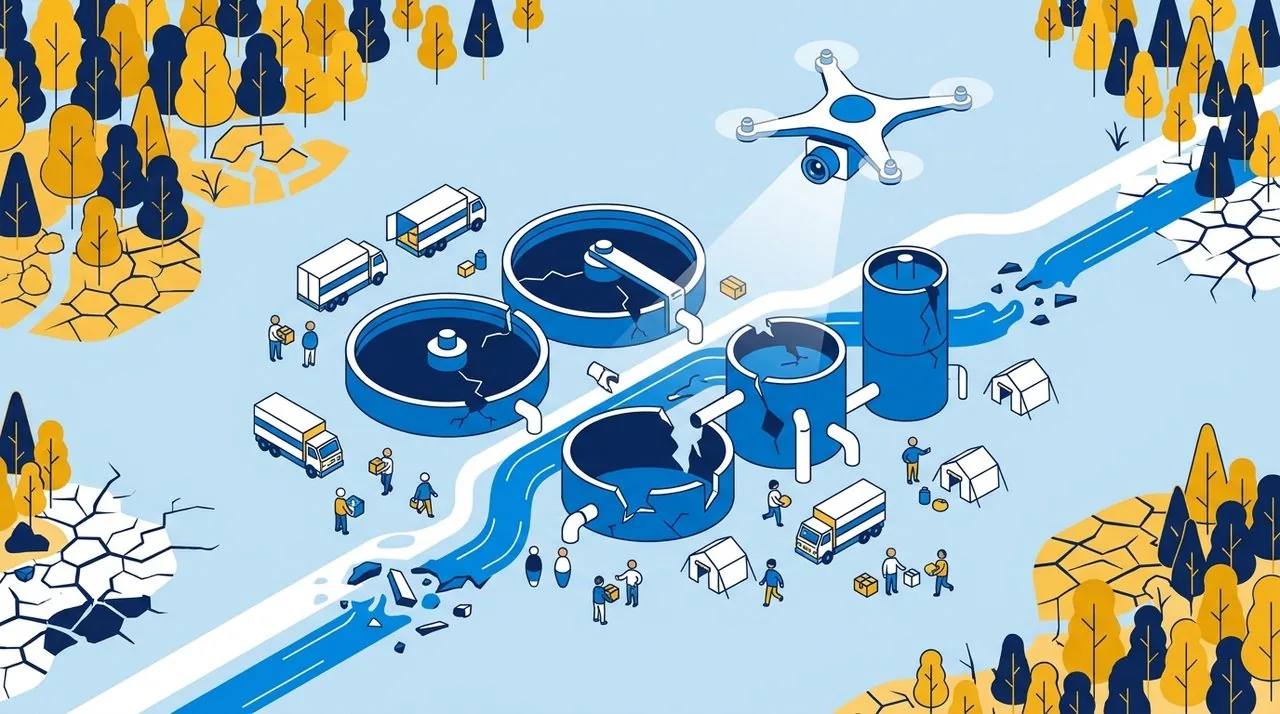
The destruction of civilian infrastructure leaves behind a toxic legacy for decades, threatening the health of entire communities.
The toxic footprint of destroyed industry and networks
Every destruction of a large industrial or utility facility has a dual dimension. The first is the obvious loss of buildings, equipment, and jobs, which can be recorded immediately. The second dimension unfolds more slowly, but its consequences are much deeper and more dangerous for the region's livelihood. This involves large-scale environmental pollution caused by the release of hazardous substances into the air, soil, and open water bodies.
When oil depots, chemical plants, or fuel and lubricant warehouses come under attack, tons of toxic compounds are instantly released into the environment. Petroleum products seep through the upper layers of the soil, poisoning the earth and making it unsuitable for agriculture. According to ecologists, even after open fires are extinguished, heavy metals and carcinogenic substances remain in the ecosystem. With the very first rains, these elements are washed into underground aquifers or enter rivers, which are the main water supply arteries for many settlements.
The situation with utility infrastructure is no less critical. Systematic damage to energy hubs leads to the shutdown of wastewater treatment plants and sewage pumping stations. As a result, thousands of cubic meters of untreated wastewater flow directly into rivers and lakes. This causes a sharp drop in water oxygen levels, mass fish die-offs, and the rapid multiplication of pathogenic bacteria, turning water bodies into sources of epidemiological danger.
A separate factor of environmental degradation is the destruction of forests. Forest fires triggered by shelling not only destroy flora and fauna but also ruin the root systems that hold the soil together. Without natural forest cover, rapid erosion begins: wind and water wash away the fertile layer, while ash mixed with the remains of burned equipment and ammunition settles on adjacent territories, adding new layers of chemical pollution. The loss of forests also means the loss of natural filters that have purified the air and regulated the water balance of entire regions for centuries.
The Yellow-Blue Foundation is actively involved in recording these challenges. As part of our humanitarian programs, we conduct regular aerial monitoring of damage to civilian infrastructure. Using unmanned systems, our specialists document the scale of destruction of utility facilities, water treatment plants, and industrial zones. The collected spatial data helps to accurately assess the affected area, record the geometry of the destruction, and form a reliable basis for future plans for the environmental and humanitarian recovery of de-occupied and affected communities.
Threats to community health and water supply
Restoring a safe living environment begins with an accurate understanding of the scale of invisible chemical pollution.Yellow-Blue Editorial Team
For residents of affected and de-occupied communities, the environmental consequences of the destruction quickly turn into a daily humanitarian crisis. When centralized water supply fails due to damaged pipes or a lack of electricity, people are forced to seek alternative sources of drinking water. Most often, these are private wells or shallow boreholes. However, it is precisely shallow groundwater that takes the first hit from chemicals spilled on the surface and untreated sewage.
Consuming such water poses a serious threat to public health. The accumulation of heavy metals, fuel residues, or industrial solvents in the body can cause chronic diseases of the gastrointestinal tract and nervous system, and lead to severe intoxication. Children and the elderly are particularly vulnerable in this situation, as their bodies are least equipped to cope with prolonged chemical exposure.
Agriculture, which is the basis of survival for many households in rural areas, is also under threat. Growing food on soils that have absorbed soot from large-scale fires or chemical breakdown products creates a risk of toxins entering the food chain. Even after demining and the physical clearance of debris from the territory, the land may remain unsuitable for safe farming for a long time. Natural reclamation of such areas requires significant time resources, while artificial cleanup demands colossal investments and specialized technologies.
Overcoming these challenges requires a comprehensive approach at the level of each individual community. The first critical step remains the detailed monitoring and mapping of all damaged facilities that pose a potential environmental threat. Only by having a complete picture of the destruction of industrial and utility infrastructure is it possible to develop effective strategies for providing people with safe drinking water, plan the installation of modular purification systems, and begin the lengthy process of environmental rehabilitation of the territories. Focusing on these issues today is an investment in preserving the lives and health of the civilian population tomorrow.